Grout Cleaning Tips That Actually Work
Grout cleaning does not have to be a weekend long chore. With the right approach and a few proven products, you can lift stains, banish grime, and restore the crisp lines that make tile look new. Below you will find step by step methods that work in Edmonton homes, including ways to prevent winter salt, hard water, and everyday spills from settling into grout.
Table of Contents
Why grout gets dirty and how to prep for success
Grout is porous, which means it absorbs liquids and fine particles from daily life. In Edmonton, winter road salts and slush get tracked inside and can leave powdery residue that dulls tile and darkens grout. Hard water can also leave mineral film that traps soil.
Before any deep clean, start with a simple prep. Dry sweep and vacuum to remove grit that can scratch tile and push deeper into grout. Follow with a damp mop using warm water to lift surface film. Open a window for ventilation, and test any new cleaner on a small hidden area to confirm there is no color change.
- Gather a soft bristle grout brush or an old toothbrush
- Microfiber cloths and a non scratching sponge
- Warm water, a bucket, and spray bottle
- pH neutral tile cleaner or an oxygen based powder cleaner
- Gloves and eye protection for stronger solutions
Step by step grout cleaning that actually works
Use these reliable methods in order from gentle to strong. Each step builds on the last so you do not over clean or damage grout.
Method one pH neutral daily clean. Mix a pH neutral tile cleaner with warm water according to the label. Spray the grout lines, wait three to five minutes, then scrub in small circles with a soft brush. Wipe with a clean damp cloth and dry the lines. This is safe for most sealed grout and ideal for regular maintenance.
Method two baking soda and dish soap paste. Combine three parts baking soda with one part clear dish soap to make a spreadable paste. Apply a thin layer to grout and let it sit ten minutes. Scrub gently and rinse well with warm water. This lifts food spills and light grime without harsh fumes.
Method three oxygenated cleaner for deep stains. Dissolve an oxygen based cleaner in warm water as directed. Saturate the grout, allow it to dwell for ten to fifteen minutes so oxygen can break down organic stains, then scrub and rinse thoroughly. Repeat on stubborn spots. Avoid mixing with any other chemicals.
Method four targeted peroxide for mildew shadows. For light mildew stains on ceramic or porcelain tile, apply a small amount of three percent hydrogen peroxide to grout lines. Let it bubble for five minutes, scrub gently, then rinse and dry. Do not use on natural stone.
When your grout lines are clean, let the area dry completely. Then consider a penetrating sealer to slow future staining. If you are planning a refresh of your tile or want expert help, you are Ready to chat with our Edmonton team about maintenance friendly options and services.
Safe products, what to avoid, and expert references for grout cleaning
Choose pH neutral first. pH neutral tile cleaners are designed to lift soil without etching or degrading grout and are safe for everyday use on porcelain and ceramic. For tough grime, oxygen based powders are effective because they release active oxygen to break down stains without the strong fumes of chlorine bleach.
Be cautious with vinegar. While vinegar can dissolve mineral film, it is acidic and should not be used on natural stone like marble, limestone, or travertine. Even on ceramic or porcelain, frequent acid use can dull certain grout finishes. For a balanced perspective on grout care methods, see advice from The Spruce and practical cleaner comparisons from Good Housekeeping.
Check labels and certifications. Look for clearly listed ingredients and safety guidance. When possible, consider products that meet EPA Safer Choice criteria for better indoor air quality. Always wear gloves, ventilate well, and never mix chemicals, especially anything containing ammonia with chlorine bleach.
Local tip for Edmonton homes. During winter, place mats at entries and remove footwear to reduce salt residue that can discolor grout. In kitchens and bathrooms, run exhaust fans to lower humidity and speed dry time, which helps prevent mildew. Wipe spills immediately so they do not soak into porous lines.
FAQ
Q: How often should I do grout cleaning in a busy Edmonton household
A: For high traffic areas like entryways and kitchens, do a quick pH neutral clean weekly and a deeper scrub monthly. In bathrooms, squeegee or towel dry after showers to reduce mildew, then deep clean grout every one to two months. Reseal grout about once a year or as recommended by the sealer manufacturer to slow staining.
Q: Can I use steam cleaners on grout
A: A household steam cleaner can help loosen grime on ceramic or porcelain tile, but keep the nozzle moving and use the lowest effective setting. Excess heat and pressure on damaged or unsealed grout may drive moisture deeper and weaken lines. Avoid steam on natural stone unless the manufacturer specifically approves it and always test a small area first.
Conclusion
With the right tools and a simple plan, grout cleaning is faster, safer, and more effective. Start with pH neutral cleaners, step up to oxygen based solutions for deep stains, and protect your results with a quality sealer. Add a few local habits like winter matting and quick wipe downs, and your tile will stay brighter for longer. If you want product advice or a professional touch in Edmonton, our team is here to help with tile care and upgrades. Contact LCF Flooring to inquire, request details, or book services today.
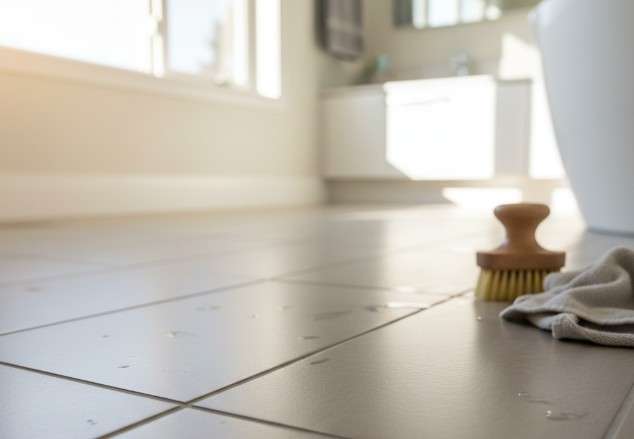
Featured image prompt for Pexels: Search for a bright Edmonton bathroom or kitchen scene with porcelain tile floors, a close up of clean grout lines, natural light, and a small brush and microfiber cloth on the side to suggest cleaning in progress.