
Cleaning floor tile grout is essential for keeping your tiles looking fresh and your floors hygienic. Over time, grout collects dirt, spills mold and bacteria, making it appear dark and discolored. To clean if effectively, start by sweeping or vacuuming the floor to remove loose debris. Regular maintenance, including mopping with pH neutral cleanser and sealing the grout once and twice a year, will keep your tile floors looking spotless for longer.
Step 1: Clear and prep the floor
- Sweeping or vacuuming the floor to remove dust and debris.
- Mopping the area with warm water to loosen surface dirt
- Drying the floor completely before applying any cleanser.
Step 2: choose the right cleanser
- DIY natural cleanser, mix three parts baking soda plus 1 part water to form a paste.
- For stronger results, replace water with hydrogen peroxide.
- For greasy areas like the kitchen, add a few drops of dish soap.
Step 3: Apply the cleanser
- Apply the cleanser directly into the grout lines using a spoon or small spatula for pastes and a spray bottle for liquid solution.
- Let it sit for 15 to 10 minutes, do not skip this, it will break down the stains.
Step 4: Scrub the grout lines
- Use a stiff brush or an old toothbrush.
- Scrub in a circular motion or back and forth along the grout line.
- For stubborn grime, apply more paste and scrub again.
Step 5: Rinse and wipe clean
- Use a damp microfiber cloth and mop with warm water to remove all paste and residue to prevent re-soiling.
- Repeat rinsing if needed. The floor should look visibly cleaner after drying.
What causes grout to get dirty quickly?
Grout tends to get dirt quickly due to its porous nature, which allows dirt and moisture to be absorbed easily. High traffic areas like kitchens and bathrooms, along with moisture and humidity, further exacerbate the issue. Over time, accumulated dirt, spills and even mold and mildew can lead to discoloration and a generally dirty appearance.
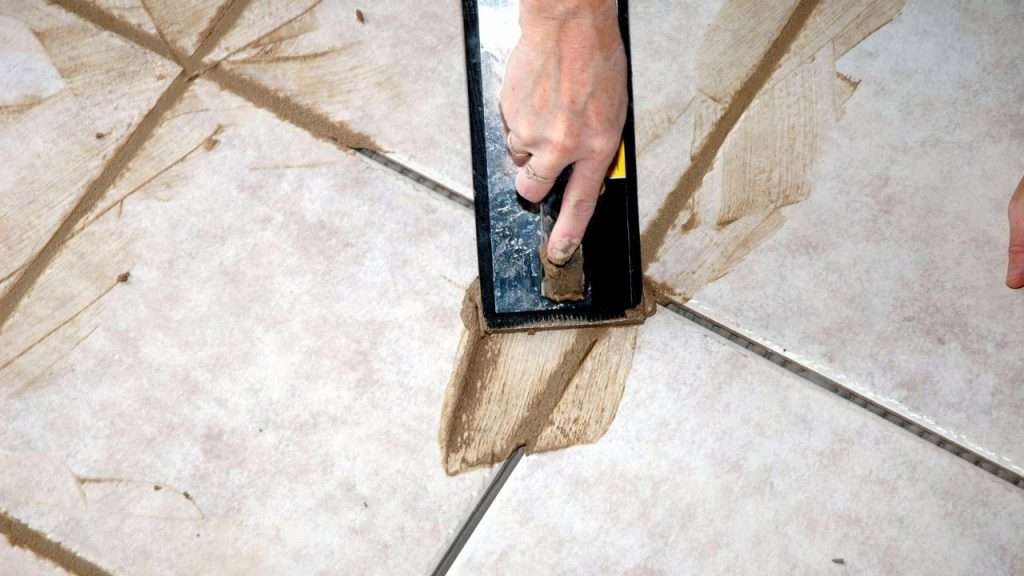
Here’s a more detailed of the causes:
High Traffic areas:
In areas like kitchens and bathrooms, grout is exposed to frequent foot traffic, spills and moisture making it more susceptible to dirt and stains.
Porosity:
Grout is made from materials like cement and sand, which creates a porous surface with tiny holes that readily absorb dirt and moisture.
Humidity and moisture:
Moisture can create an environment where mold and mildew can thrive, causing grout to darken and become discolored.
Improper cleaning:
Using harsh detergents or dirty mop water can worsen grout stains by stripping away sealant and spreading grime.
Accumulated dirt:
Grout lines are recessed, which makes it harder to remove everyday dust and dirt than from the tiled surface.
Aging sealant:
Overtime, the protective sealant on grout can wear away, leaving it more vulnerable to dirt and stains.
What’s the difference between scrubbing and soaking grout?
The difference between scrubbing and soaking grout lies in the approach and purpose of each method. They work together during the cleaning process. Here is the difference between scrubbing and soaking grout.
Soaking Grout:
- Involves applying a cleaning solution letting it sit.
- Softens and breaks down dirt, grime and stains.
- Helps loosen buildup from the porous grout surface.
- Prepares grout for easier and more effective scrubbing.
- Usually lasts 5 to 10 minutes or more for tough stains.
Scrubbing Grout:
- Involves using a brush to scrub the grout lines.
- Scrubbing helps lift and removes the loosened debris, giving you visibly cleaner grout.
- Physically removes dirt, mold and stains.
- Requires effort and pressure.
- Most effective after soaking.
- Essential for deep cleaning results.
How often should you clean floor tile grout?
You should clean floor tile grout at least once a month for general upkeep, especially in high traffic areas like kitchens and bathrooms. However a deep cleaning is recommended every 3 to 6 months to remove buildup that regular mopping can’t reach. In damp areas like showers, where mold and mildew can develop more quickly, it’s smart to clean the grout more frequently even every 1 to 2 weeks to prevent staining and bacterial growth. Regular spot cleaning and sealing the grout once or twice a year can also help maintain its appearance and reduce how often deep cleaning is needed.
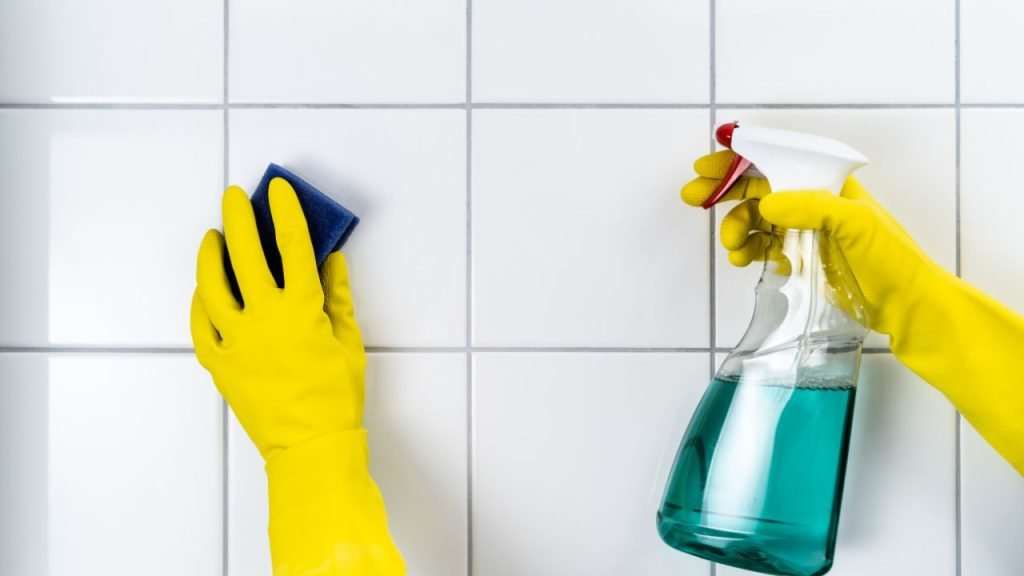
What are the side effects of chemical cleaners on grout?
Grout is a mixture of water, cement and sometimes sand meaning it’s porous, delicate and reactive to certain chemicals. When we regularly use strong cleaning agents, especially the wrong ones, we unknowingly cause damage that builds up overtime.
Here’s a detailed breakdown of the side effects:
Grout Erosion:
Chemical cleaners, especially acidic and alkaline ones, break down the bonding agents in the grout. Cement based grout is particularly vulnerable to acidic corrosion.
Residue buildup:
Residue left behind can irritate skin, eyes and respiratory tracts. Especially dangerous for pets, children or people with asthma. Chemicals may continue to off gas for hours or days. Always clean in well ventilated areas and rinse surfaces thoroughly.
Discoloration:
Strong chemicals can bleach or react with the natural minerals in grout. Even cleaners marketed as brighteners can strip
Damage to sealant:
If your grout is sealed, using the wrong cleaner can strip or degrade the sealer. This leaves grout vulnerable to absorbing moisture, spills and bacteria.
Healthy and safety risks:
Chemical cleansers often emit strong fumes, which can irritate your eyes, throat and lungs. Especially in kitchens and poorly ventilated kitchens. Some products may also cause skin irritation.
Environmental impact:
Many harsh chemical cleansers are not environmentally friendly. Their ingredients can pollute water systems when rinsed away, and their packaging often contributes to plastic waste. Regular use of such products increases your home’s ecological footprint.

If you’re searching for the best vinyl flooring in Edmonton, don’t worry, we are the leading flooring store in Edmonton. We offer top-quality luxury vinyl plank flooring, hardwood flooring, gym flooring, and more. Visit our website for more details.
FAQ’S
Can baking soda and vinegar really clean the grout?
Yes, baking soda and vinegar are effective natural cleaning agents for grout.
Are electric grout brushes worth it?
Electric grout brushes can be worth it, depending on your cleaning needs and preferences.
Does bleach work on tile grout?
Bleach can effectively remove mold and stains from grout, it’s generally not recommended for regular grout cleaning as it can damage the color and texture of the grout over time.
Is vinegar safe for grout cleaning?
Vinegar is generally safe for cleaning sealed grout, but can be damaging to unsealed grout.
Can I use hydrogen peroxide on the floor tile grout?
Yes, hydrogen peroxide can be used on floor tile grout to brighten and clean it.
Can harsh chemicals ruin grout?
Yes, harsh chemicals can indeed ruin grout.